



Buying a property is an exciting milestone, whether you are searching for your first home or expanding your real estate portfolio. While the listing price often grabs the most attention, it is only one part of the total financial picture. Many buyers focus on securing financing and negotiating a good deal but overlook the ongoing and one-time expenses that come with owning a property. Taking the time to evaluate every potential cost before signing a contract can help you avoid financial surprises and make a purchase that fits your long-term goals.
Look Beyond the Asking Price
A property’s advertised price is simply the starting point. Experienced buyers often explore educational resources such as Franken Magazin to better understand the financial side of purchasing and building a home before committing. It is important to account for taxes, legal expenses, inspection fees, insurance, and any immediate improvements the property may require. Looking at the complete financial picture allows you to compare different properties more accurately instead of making a decision based solely on the purchase price.
Include Property Taxes and Insurance
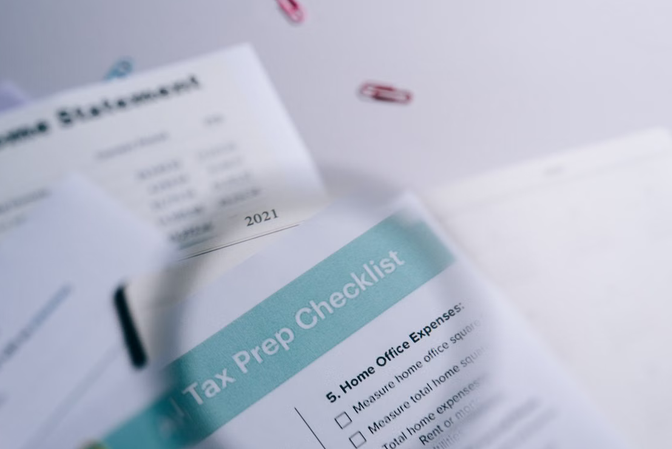
Two homes with similar purchase prices can have very different ownership costs because of taxes and insurance premiums. Property taxes depend on local regulations and assessed values, while insurance rates can change based on location, construction materials, and environmental risks. These recurring expenses should always be included in your financial planning because they continue long after the purchase is complete.
Consider Future Maintenance Costs
Every property requires regular care, regardless of its age. A newer home may need less maintenance during the first few years, while an older property could require roof repairs, plumbing updates, or electrical improvements much sooner. Even cosmetic upgrades like repainting walls or replacing flooring can add up over time. Estimating these future expenses before buying helps you determine whether the property truly fits within your budget.
Don’t Ignore Utility and Operating Expenses
Monthly costs can vary significantly from one property to another. Larger homes often require more energy for heating and cooling, while older buildings may have less efficient insulation or outdated systems that increase utility bills. Water, waste collection, internet services, and homeowner association fees may also become part of your monthly expenses. Reviewing previous utility records, when available, provides valuable insight into what you can expect after moving in.
Think About Renovation Potential
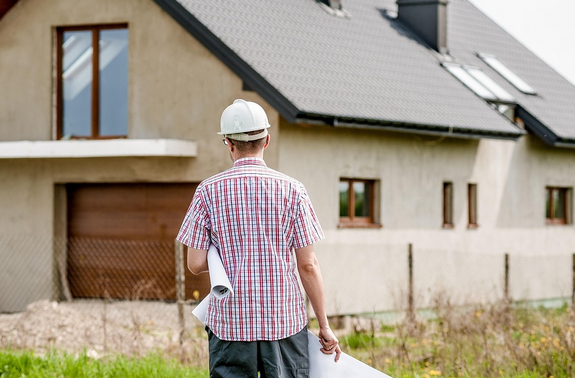
Some buyers intentionally look for properties that need improvements because they hope to increase the home’s value over time. While this strategy can be rewarding, renovation costs should be estimated carefully before making an offer. Kitchen remodels, bathroom upgrades, structural repairs, and landscaping projects can quickly increase your overall investment. Understanding these costs ahead of time helps you decide whether the property remains a good value after the necessary work is completed.
Evaluate the Neighborhood’s Long-Term Value
The location of a property plays a major role in both your daily life and the home’s future value. Nearby schools, transportation, shopping centers, parks, and planned developments can influence appreciation over time. Researching neighborhood trends allows you to determine whether the property is likely to remain desirable in the coming years. A slightly higher purchase price in a growing area may prove to be a better investment than a cheaper property in a declining market.
Plan for Unexpected Expenses
No matter how carefully you prepare, unexpected costs can arise after purchasing a property. An appliance may fail, a plumbing issue could appear, or seasonal weather might reveal repairs that were not visible during the initial inspection. Setting aside an emergency fund provides peace of mind and helps prevent financial stress when unforeseen expenses occur. Being financially prepared is just as important as finding the right property.
The true cost of owning a property extends far beyond the amount listed in the advertisement. By considering maintenance, taxes, insurance, operating expenses, renovation costs, and the long-term value of the location, you can make a more …




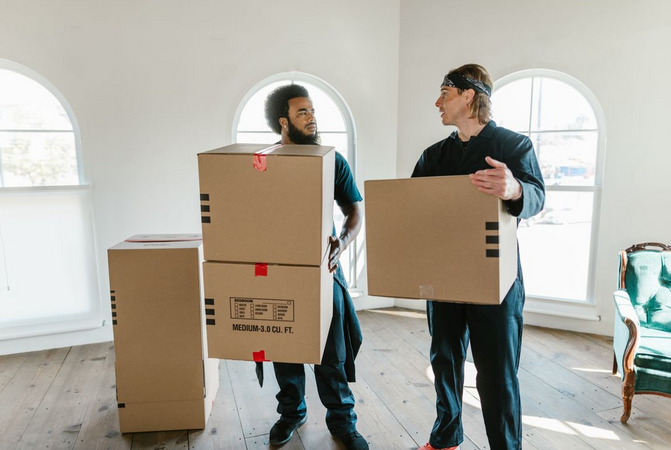




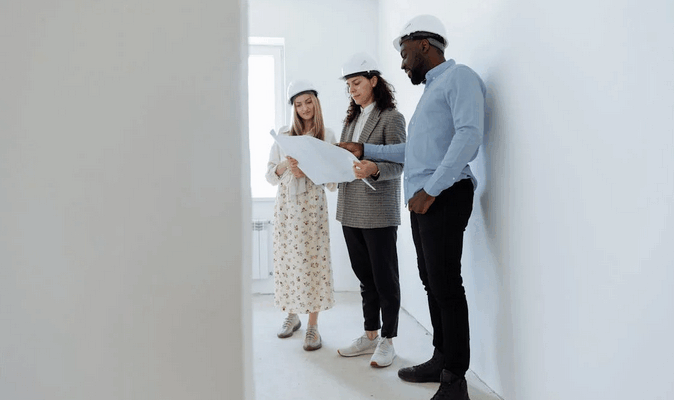
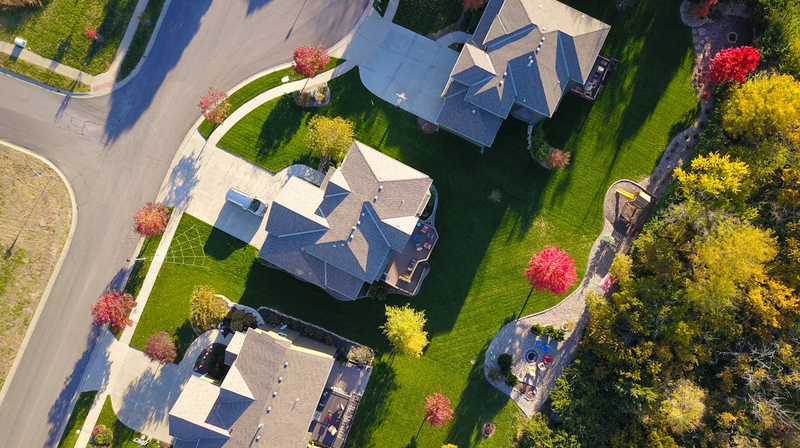

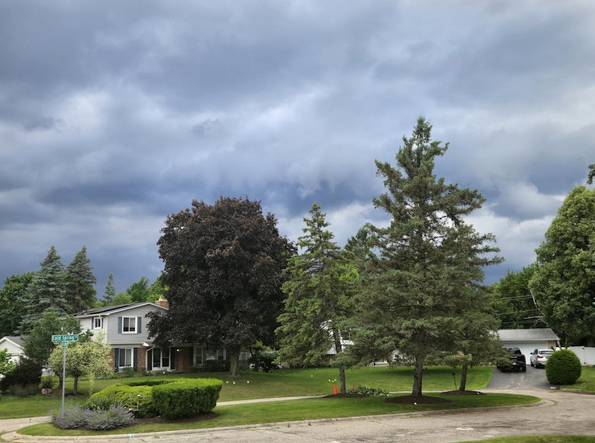

 Rain doesn’t care that your couch is velvet or your boxes are labeled “fragile.” So, waterproof everything. Plastic sheets, garbage bags, and even shower curtains work in a pinch. Tape up openings to stop leaks before they start. And don’t forget your mental health in this mess. A little humor goes a long way. Laugh when your umbrella flips inside out. Blast your favorite playlist. Small things help you stay grounded when everything else is slippery. The storm will pass, literally and emotionally.
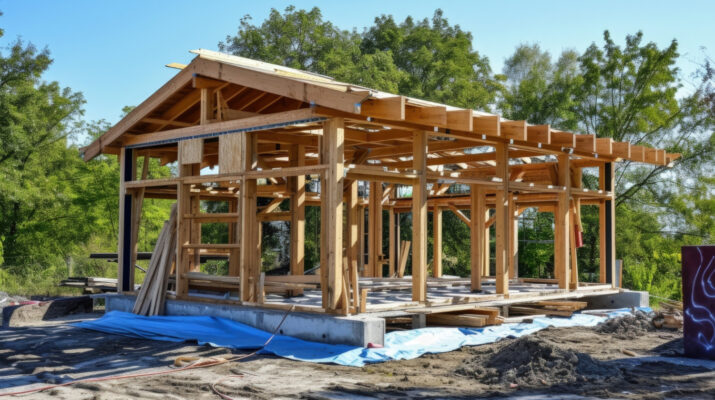
 Timber’s reputation has grown beyond its traditional roots. While it’s still the go-to material for charming mountain lodges and woodland getaways, architects are increasingly using timber in creative and contemporary ways. In fact, according to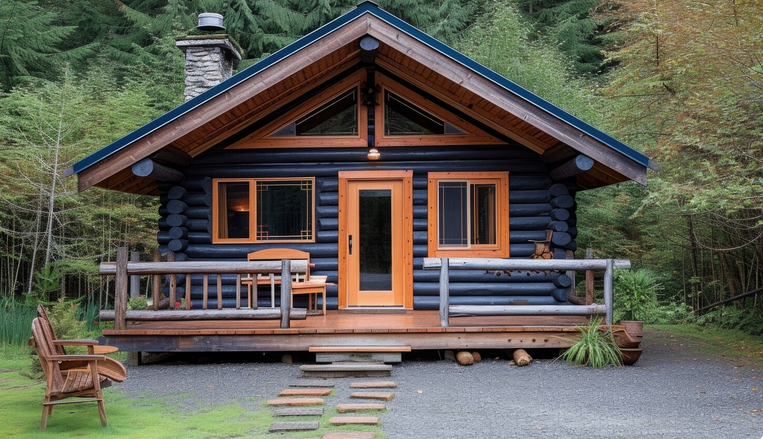






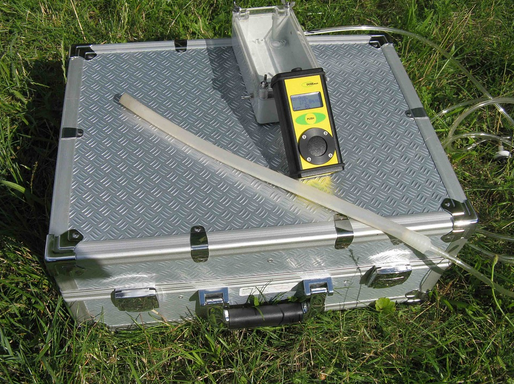


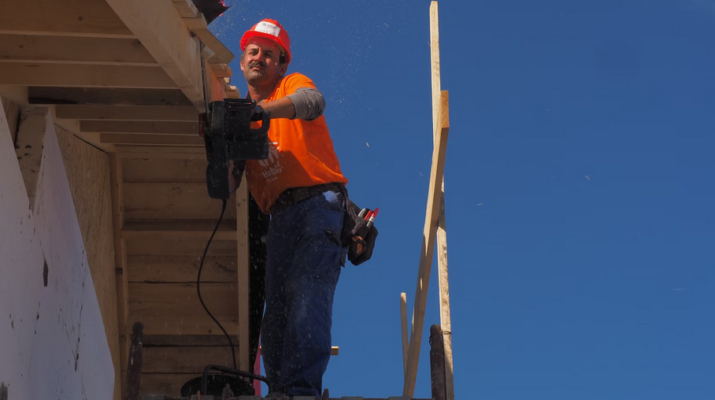

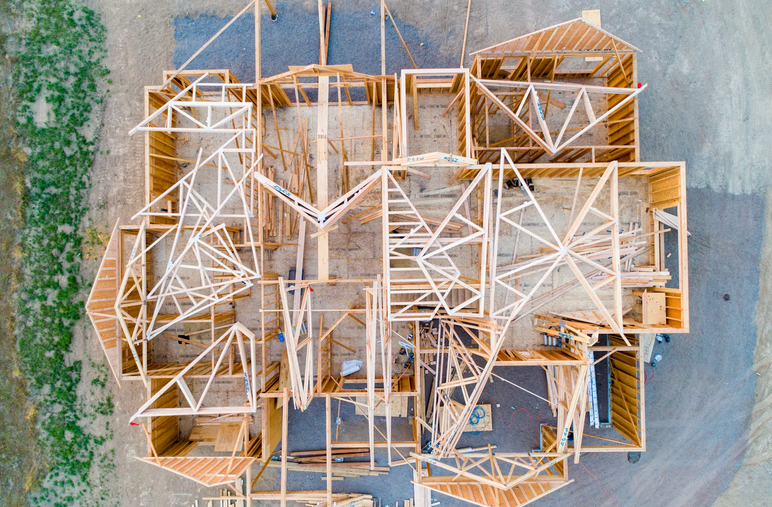






 Termites can be difficult to spot as they usually stay hidden within walls, floors, and other wooden structures. However, there are a few signs that can indicate an infestation, such as:
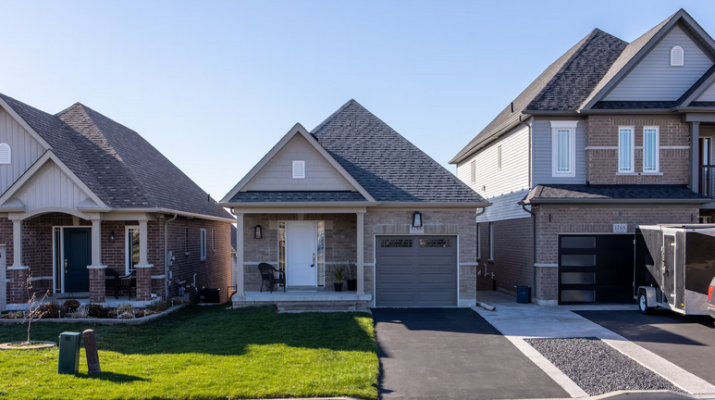
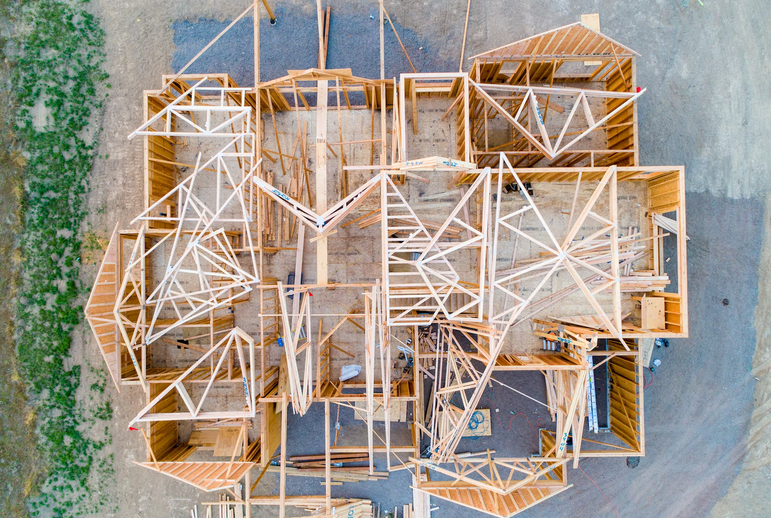
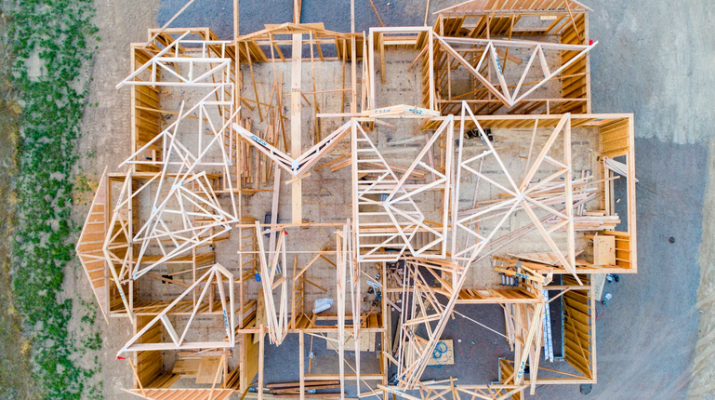
 While prefab homes are celebrated for their speed of construction, transportation costs can add a significant financial burden. Prefabricated components need to be transported from the manufacturing facility to the construction site, often over long distances. Rising fuel prices and logistical challenges in coordinating deliveries contribute to increased transportation costs, impacting the overall affordability of prefab homes. Moreover, site preparation costs can be overlooked when considering the total expense of a prefab home. Ensuring the foundation is properly laid and meets local building codes is crucial. Depending on the site conditions, additional work may be required, leading to unforeseen expenses that add to the overall cost of the prefab home.




 finally, once you have found the best deal, it’s time to get pre-approval letters from multiple lenders. It will help you shop around for the best offers and negotiate with sellers in a competitive market. Numerous pre-approval letters will increase your negotiating power regarding getting the lowest rate possible.
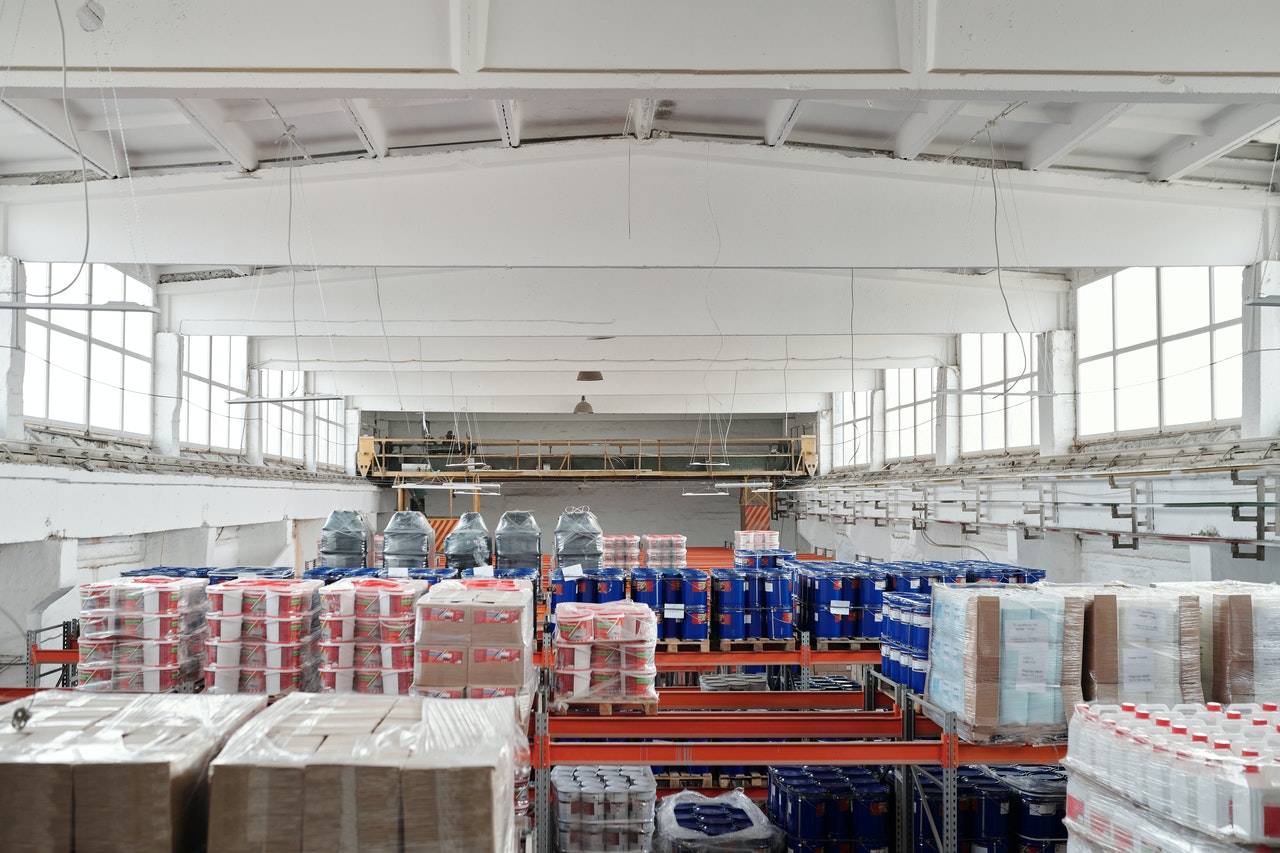
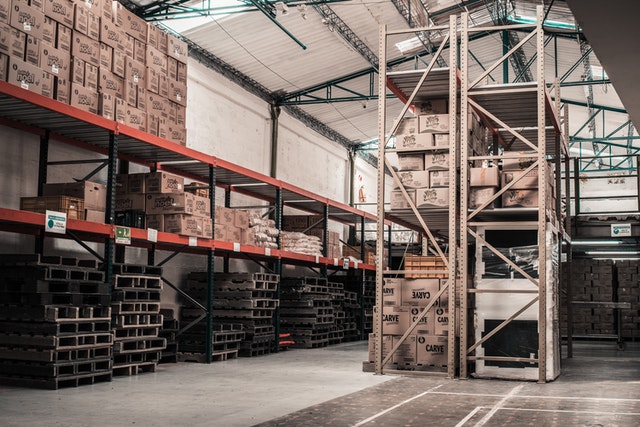
 When picking a storage unit, it’s important to consider the facility’s security. Make sure that the facility has 24-hour surveillance, as well as on-site security guards. The last thing you want is for your belongings to be stolen while in storage. Another safety consideration is fire safety. Look for a storage facility with fire sprinklers in all units. This will help to protect your belongings in case of a fire. Now that you know what to look for in a storage unit, it’s time to start shopping around. With a little bit of research, you should be able to find the perfect storage unit for your needs. Remember to consider size, price, location, and security when deciding. And don’t forget about temperature-sensitive items – if you need to store them, you’ll need to get a temperature-controlled unit.…